
Dr Magdalena Zarowiecki
Genomics scientist, technology leader and author
Dr Magdalena Zarowiecki has spent nearly 20 years investigating what genomes can reveal and building the tools, services and organisations needed to put that knowledge to use. Her work spans evolutionary biology, drug discovery, cancer, rare disease, clinical genomics and AI.
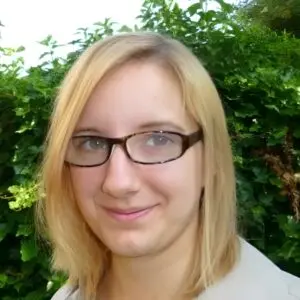
She has helped identify new drug targets, developed clinical analysis workflows supporting diagnoses for more than 30,000 patients, and led change across international scientific collaborations. Her experience connects biological discovery with the practical decisions that determine whether a technology reaches patients, earns investment or becomes dependable infrastructure.
That experience informs The Genomic Power Shift: a book about the DNA revolution already changing medicine, society and the living world.
Understanding the living world
Magdalena’s scientific foundations are in population genetics, molecular biology and biosystematics. Her early research encompassed biodiversity, evolution and the genetics of malaria-transmitting mosquitoes, before taking her into the genomes of parasitic worms.
At the Wellcome Sanger Institute, she co-led genome analysis and drug-repositioning research involving more than 30 international partners. This work revealed adaptations that allow tapeworms to survive inside their hosts and identified potential drug targets for diseases affecting some of the world’s poorest communities.
This grounding in evolutionary biology gives her a perspective that extends across species. Genomics connects human health with agriculture, infectious disease, biodiversity and ecosystems. Decisions about how we use it can have consequences far beyond the laboratory or clinic.
Turning genomic evidence into medicine
At King’s College London, Magdalena developed neural-network classification of leukaemia treatment resistance using gene-expression data. At the Institute of Cancer Research, she led bioinformatics for a project studying children with relapsed cancers, building pipelines that brought together molecular profiles, clinical information and patient outcomes to investigate treatment options. Her work with canSAR also integrated genomic, epigenomic, pathway and chemical evidence to identify credible drug candidates.
At Genomics England, she developed and benchmarked cancer-analysis pipelines and supported the validation of clinical reports. Moving into product development and commercial partnerships, she co-authored the organisation’s board-endorsed cancer strategy and designed a genomic trial-matching service, taking it from user research and pricing through to proof-of-concept pilots.
She later developed clinical-genomics workflows at SciLifeLab in Uppsala, contributing to Genomic Medicine Sweden.
Across these roles, she has worked with the questions that determine whether genomic medicine succeeds: whether results are reliable, whether clinicians can use them, how patients are identified for treatment, and how sensitive data can be made useful while protecting the people behind it.
Building AI and scientific infrastructure
At EMBL’s European Bioinformatics Institute, Magdalena led developers, bioinformaticians and curators delivering major public resources, including WormBase, WormBase ParaSite and the Alliance of Genome Resources.
She developed an NLP workflow that reduced scientific annotation time from 30 minutes to 30 seconds. She also designed and led organisational change across a collaboration of more than 70 people, cutting core pipeline errors from approximately 30 to three per build and freeing up to five developer-days each cycle.
Her experience includes harmonising more than 100 types of biological data and applying machine learning to complex scientific problems. It gives her a practical basis for assessing AI: understanding the data, testing the results and building the capability needed to make a promising method useful.
Strategy, institutions and emerging technologies
Magdalena’s work also encompasses the commercial and institutional decisions surrounding science. Her competitor analysis, data strategy and technical positioning supported a biotech’s successful £1.8 million seed raise. She has advised on product development and technical due diligence, helping decision-makers assess scientific potential, implementation requirements and investment risk.
As Chair of the MCS Service Company board and a trustee of the MCS Foundation, she helped guide organisational change, governance and strategy within the UK renewable-energy sector. These responsibilities broadened her understanding of how technology interacts with markets, public policy and institutional priorities.
She continues to develop new applications through Relatix Bio, focused on deep phenotyping and clinical-trial opportunities for complex genetic disorders, and NeuroStrata, connecting evidence across variants, pathways, traits and interventions. Through Helminthix, she is applying AI and comparative genomics to drug discovery for neglected parasitic diseases.
Research, recognition and public communication
Magdalena holds a PhD in Genetics from the University of Manchester and an MRes in Biosystematics from Imperial College London, awarded with Distinction. She received a Natural History Museum Prize Scholarship and is an author or co-author of more than 100 peer-reviewed publications, including research in Nature and Nature Genetics.
She has discussed her research on BBC Radio 4 and the BBC World Service, and has lectured for the University of Cambridge and the Wellcome Trust. Explaining complex science to people who need to understand its consequences is a central part of her work.

Why she wrote The Genomic Power Shift
Genomics can diagnose children, guide cancer treatment, reveal new medicines, track pathogens and protect species. It can also expose permanent biological information, affect relatives who never consented to testing, deepen inequalities and enable interventions whose consequences extend across generations and ecosystems.
Magdalena wrote The Genomic Power Shift because public understanding must keep pace with these capabilities. The choices ahead concern everyone: patients, parents, clinicians, policymakers, educators, investors and citizens.
The book draws on her experience of discovering what is possible, building systems that work, and understanding the decisions that shape their use. Its purpose is to give readers the knowledge to recognise the opportunities, question the claims and take part in deciding how genomic power should be used.
Find Magdalena online
GitHub: MagdalenaZZ
LinkedIn: Magdalena Zarowiecki
ORCID: 0000-0001-6102-7731
Support the writing
This book is being written independently, without a publisher advance. If you’d like to help support the research and writing time behind it, you’re welcome to buy Magdalena a coffee. It’s a donation, not a book purchase — no book or product is sent in exchange.