The future of life is being rewritten.
Genomics is quickly scaling from specialist laboratories to mass adoption because three forces are now converging:
1. Sequencing at scale: DNA can now be read faster, cheaper and in vastly larger quantities than before — from people, tumours, embryos, newborns, ancient bones, pets, crops, pathogens, wastewater, soil, oceans and the air.
2. Editing and engineering: CRISPR and related tools have made it easier to alter DNA, while synthetic biology, stem-cell technologies and biofoundries are making it possible to design, build, test and manufacture with precision engineered living systems.
3. AI and biological computation: AI can search, compare and interpret biological data at enormous scales. It can predict outcomes of experiments, help find patterns in genomes, design new protein structures, and turn biological data into decisions, products and interventions.
Together, these forces change the status of biology. DNA is no longer only a record of life. It is becoming a working material, like a piece of clay which can be turned into anything you want. From personalised medicine and vaccines to genetically modified food, bioweapons and the possibility of designer humans.
The book is built to increase public understanding about the real technology already existing, and how it could be used. The Genomic Power Shift is about how the scale and accessibility of genomics creates both amazing and terrifying opportunities, and helps you to understand the complexity of the important decisions we have to make to protect the future of humanity and life on Earth.
The impact on society and the biosphere will be many times more transformative than AI. When genetic changes are heritable, released into ecosystems or scaled through populations, they can be extremely difficult, sometimes impossible, to reverse. The Genomic Power Shift explains what is happening now, how it will affect your life, and what the near future might bring.
Because the genomic revolution has arrived very quietly, with large hives of activity in small pockets, massive investments, and very little public debate. Dr. Magdalena Zarowiecki has worked at the forefront of genomic innovation for almost 20 years, and wants to make sure you know that the decisions made this decade about medicine, food, data and reproduction will change the trajectory of humanity and life on planet Earth forever. Because the future belongs to all of us.
An open invitation
Help shape the book
I am speaking with scientists, clinicians, founders, investors, policymakers, ethicists, journalists and public-interest leaders working at the front line of where genomics meets the real world.
If your work touches clinical genomics, AI biology, cancer, rare disease, gene editing, fertility, biodiversity, biosecurity, forensic DNA, neglected disease, genomic privacy or global access, I would love to hear from you.
Interviews can be informal, off the record, background-only, or fully attributed.
Meet the contributors
View all contributors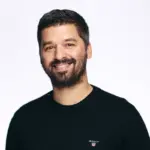 Dimitris PolychronopoulosDimitris Polychronopoulos is a computational biologist working at the intersection of genomics, AI and drug discovery.
 Carina SchlebuschCarina Schlebusch is a leading evolutionary geneticist whose research traces how ancient human populations moved, mixed and adapted across Africa.
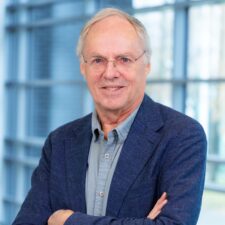 Hans CleversHans Clevers is a Dutch stem cell biologist whose work has helped reveal how adult tissues regenerate and how cancer emerges from disrupted developmental programs.
I am especially interested in conversations about
Clinical genomics
Cancer, rare disease, newborn sequencing, pharmacogenomics, clinical interpretation and patient-linked genomic data.
AI in biology
Machine learning, foundation models, biodata, drug discovery, interpretation tools and the future of automated biology.
Gene editing and reproductive genomics
CRISPR, embryo selection, fertility, inherited disease, enhancement and the ethics of changing future children.
Biodiversity and conservation
Species sequencing, environmental DNA, de-extinction, ecological collapse, conservation genomics and the biosphere.
Biosecurity and AMR
Pandemics, antimicrobial resistance, engineered pathogens, biological defence and the governance of biological risk.
Genomic data and privacy
DNA databases, forensic DNA, ancestry testing, consent, data ownership, relatives and law enforcement.
Neglected disease and global access
Tropical disease, parasite genomics, underfunded conditions, global inequality and fair access to genomic medicine.
Biotech and investment
Genomics startups, precision medicine, diagnostics, synthetic biology, due diligence, hype and real-world translation.
Written from inside the genomic revolution
Dr Magdalena Zarowiecki, MSc, MRes, PhD, has spent more than twenty years working across cancer genomics, rare disease, neglected tropical disease, population genetics, biodiversity, biodata infrastructure, clinical genomics and AI-driven biology.
What the book helps you understand
The Genomic Power Shift is for people who want to understand what genomics has to do with their body, family, children, food, data, society and the planet.
Medicine
How genomics is changing cancer care, rare disease diagnosis, infectious disease, drug choice and clinical decision-making.
Family
Why DNA testing can reveal ancestry, biological relatives, inherited risks and family truths people were not expecting.
Children
How embryo selection, newborn sequencing and future genetic modification may affect what the next generation inherits.
Food and industry
How gene editing, cellular food, engineered microbes and synthetic biology are changing agriculture, materials and biotechnology.
Privacy and power
Why genomic data are not ordinary data, who wants it, who owns it, and what it means when DNA becomes searchable.
The living world
How genomics can help track biodiversity loss, identify species, fight environmental crime and protect ecosystems.
A journey through the genomic revolution
The book moves from the basics of DNA to the biggest questions facing medicine, society and the biosphere. Yet it is so accessible that any reader can understand exactly how their lives may be affected in the next 5–10 years, and where the opportunities and perils lie.
View all chaptersStay close to the shift
Whether you want to contribute expertise, become an early reader, or follow the field as it develops, there are three useful ways to stay involved.
Become an early reader
Become an early reader and help shape selected draft sections before publication.
Become an early readerFollow
Get occasional notes on genomics, AI, biotechnology and the decisions shaping medicine, society and the living world.
Join the launch list