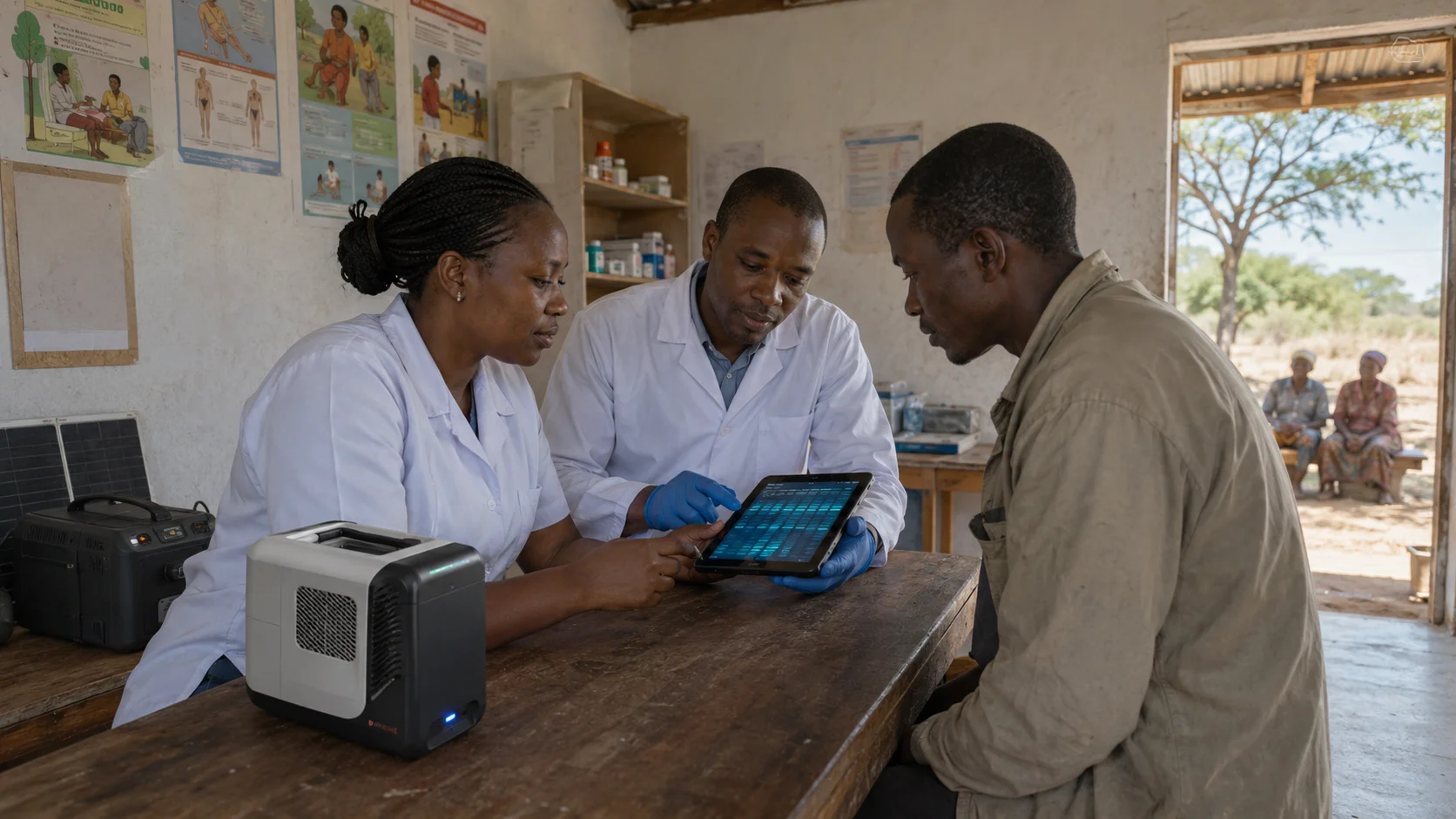
Clinicians are already living through the genomic shift
Genomics has made a major entrance in oncology and genetics. It is now moving further into diagnosis, biomarkers, pharmacogenomics, rare disease, chronic illness, prevention, mental health, data systems and everyday clinical decision-making.
This is the time to stay close to the field: to make sure more patients can access life-changing treatments, while staying properly sceptical about cost, safety, evidence, equality of access and real-world implementation.
Because patients will increasingly arrive with genomic reports, consumer tests, tumour profiles, family findings and questions no ten-minute appointment was designed to hold.
For clinicians who want the wider picture
Most clinicians are already aware that genomics matters. The harder question is how far it will reach.
As we understand more about the genetic and epigenetic underpinnings of disease, genomics will become relevant across more specialties — not only in cancer and inherited disease, but in risk prediction, drug response, complex conditions, chronic care and patient stratification.
The Genomic Power Shift is written to help clinicians see the whole landscape: the science, the systems, the opportunities, the risks and the human consequences.
Exciting, but not simple
Genomic medicine can save lives. It can also be expensive, unequal, overpromised, misunderstood or difficult to implement safely.
The challenge is not just discovering what is possible. It is deciding what should enter care, who gets access, how results are explained, how uncertainty is handled, and how patients and families are protected.
The best genomic medicine is ambitious about benefit and strict about evidence.
Written for busy clinicians
The book is clear, accessible and designed for people who need to understand the field without wading through jargon.
It may be useful for:
- clinicians who want to stay current
- GPs encountering more patient questions about genetic testing
- oncologists, geneticists, pathologists, nurses and allied health professionals
- clinical teams thinking about precision medicine
- educators and trainees in medicine, nursing and public health
- anyone trying to explain genomics to patients, colleagues or decision-makers
Why this matters to me
I have worked with many clinicians, pathologists, nurses and clinical teams, and I am in awe of the pressure you are under.
I also know how curious clinicians are about where genomic medicine is going. I often find that conversations about genomics open up quickly: what is possible, what is useful, what is being oversold, and what patients may soon expect from healthcare systems.
My own work, including Relatix Health, is focused on improving both health and quality of life for people with chronic mental health conditions. That makes the clinical future of genomics feel very real to me — not abstract, not theoretical, and not only about rare breakthroughs.
Questions worth asking
- Which genomic tools are ready for care, and which are still research?
- Who gets access to precision diagnosis and treatment?
- How do we explain uncertainty to patients?
- What should clinicians know about direct-to-consumer genetic tests?
- How do genetics, epigenetics and environment interact in chronic disease?
- What happens when genomic data follows patients through health systems?
- How do we protect families, privacy and trust?
- How do we stay sceptical without missing life-saving opportunities?
Read it, share it, discuss it
If you are a clinician, please read the book and share it widely — with colleagues, trainees, students, patients, managers, commissioners or anyone trying to understand where medicine is going.
If you want to discuss the genomic revolution from your clinical point of view, I would be very happy to hear from you.